Why Sleep Is the Single Most Powerful Longevity Practice for Men Over 50

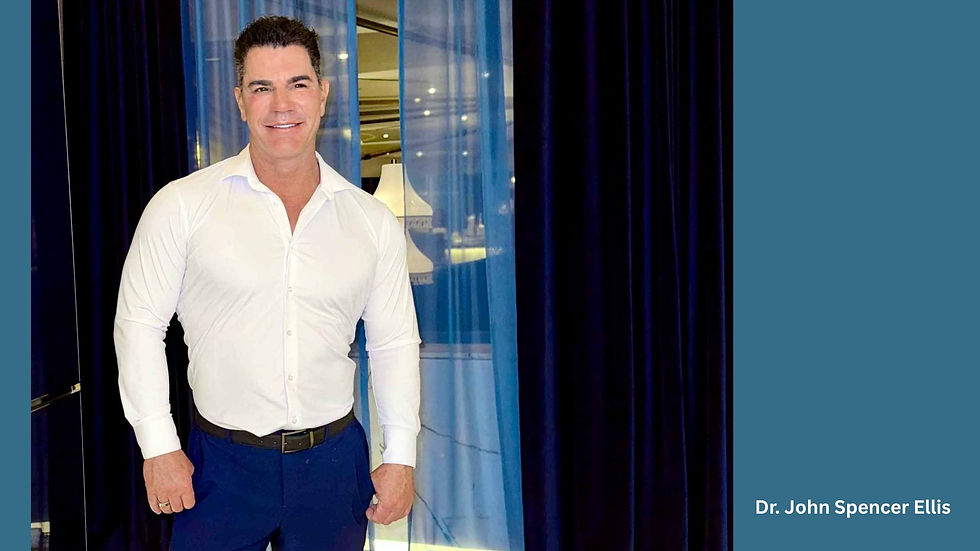
By Dr. John Spencer Ellis, Leading Men's Longevity Expert
If a man over 50 were forced to prioritize just one dimension of his longevity practice, the correct answer would not be strength training, nutrition, stress management, or supplementation — as important as each of those is. It would be sleep. Sleep is the specific foundation on which every other longevity intervention depends. When it is right, everything else works dramatically better. When it is wrong, nothing else works nearly as well as it should. Understanding why sleep is this important, and how to actually optimize it after 50, is one of the highest-leverage conversations a man can have with himself.
What Actually Happens When You Sleep
Sleep is not passive time. It is active biological restoration. Growth hormone is released almost exclusively during deep sleep. Testosterone production is largely regulated by sleep architecture. Cellular repair happens during sleep. The immune system regulates itself during sleep. The glymphatic system clears metabolic waste from the brain during sleep. Memory is consolidated. Emotional processing occurs. Nearly every biological process that supports vitality, cognition, appearance, and longevity depends on adequate quality sleep.
When sleep is chronically inadequate, every one of these processes is compromised. The consequences accumulate across weeks, months, and years. The specific pattern of decline most men blame on age is often driven substantially by cumulative sleep debt.
The Research Is Unambiguous
Research published in JAMA in 2011 documented that just one week of five-hour nights reduces testosterone by 10 to 15 percent in healthy adult men. Multiple large studies have documented U-shaped relationships between sleep duration and all-cause mortality — with adults sleeping less than 6 hours and more than 9 hours both showing elevated mortality risk. The sweet spot for most adults is 7 to 9 hours nightly.
Chronic sleep deprivation has been associated with cardiovascular disease, type 2 diabetes, cognitive decline, dementia, cancer, depression, obesity, and premature mortality. The list is not exaggeration. It reflects the current state of sleep science. The complete longevity framework Dr. Ellis coaches treats sleep quality as the foundation on which everything else rests.
Why Sleep Becomes More Difficult After 50
The specific challenge for men over 50 is that sleep quality declines naturally with age. Deep sleep — the most restorative stage — decreases meaningfully across the decades. Sleep fragmentation increases. Awakenings become more frequent. Nocturia (nighttime urination) becomes more common. Sleep apnea rates climb dramatically. All of this means the same 7-8 hours produces less restoration than it did 20 years earlier.
Meanwhile, the accumulated life factors that undermine sleep — chronic stress, medication side effects, alcohol consumption, late eating, screen exposure, elevated cortisol from years of sustained work demands — often peak in the 50s. The specific pattern of poor sleep that many men over 50 accept as normal is neither necessary nor optimal.
Sleep Apnea Is the Silent Epidemic
Sleep apnea affects an estimated 20 to 30 percent of middle-aged men and is largely undiagnosed. Untreated sleep apnea silently destroys hormonal, cognitive, and cardiovascular health. Any man who snores, wakes unrested, feels tired despite adequate sleep hours, has a thick neck, or has a partner who has noticed him stop breathing during sleep should be evaluated. Modern home sleep testing has made screening accessible without requiring an overnight lab visit.
Addressing sleep apnea when present is one of the specific interventions that produces dramatic transformation in men who thought they were simply aging. Restored oxygen delivery during sleep transforms energy, cognition, mood, hormones, and appearance within weeks.
The Sleep Hygiene Fundamentals
The specific practices that produce quality sleep are well-documented and unglamorous. They work when applied consistently. They fail when treated as suggestions rather than commitments.
Consistent schedule. Same bedtime and wake time every day, including weekends. The circadian rhythm cannot be optimized around inconsistent timing.
Cool dark bedroom. 65-68°F, blackout curtains, no visible lights, no digital clock glow in the field of vision.
Morning sunlight exposure. 10 to 30 minutes within 30 minutes of waking. This single practice sets the entire day's cortisol rhythm and evening melatonin release.
No screens for the final hour. Blue light exposure delays melatonin release. Modern phones and TVs produce enough blue light to meaningfully affect sleep onset.
Caffeine cutoff. No caffeine after early afternoon. Half-life is longer than most people assume.
No alcohol close to bedtime. Alcohol destroys deep sleep even when it accelerates initial sleep onset. This trade is one of the specific reasons alcohol undermines longevity outcomes.
Finish eating 3 hours before bed. Late meals disrupt sleep architecture and elevate core body temperature at exactly the wrong time.
The Broader Framework
Sleep does not exist in isolation. It is affected by every other dimension of a man's biology and lifestyle. Elevated evening cortisol from unmanaged stress disrupts sleep. Excess visceral fat drives sleep apnea. Low testosterone worsens sleep quality. Poor sleep worsens testosterone. Every dimension continuously affects every other.
This is exactly why Dr. Ellis' integrated coaching approach addresses sleep in the context of the complete framework — hormones, stress, body composition, environmental exposures, and lifestyle design. Working on sleep in isolation while ignoring the surrounding factors produces disappointing results. Working on sleep as part of an integrated system produces the dramatic transformation.
Why Coaching Multiplies Sleep Results
Most men who want to sleep better already know what they should do. They have read the same articles about sleep hygiene, blue light, caffeine timing, and bedroom optimization. Yet their sleep remains compromised. The gap is not information — it is execution, integration, and accountability.
Professional coaching provides the personalized calibration, systematic implementation, and sustained accountability that convert good intentions into consistent daily practice. It identifies the specific sleep obstacles unique to each man's situation and addresses them systematically rather than generically.
Begin the Work
The Men's Health and Longevity Coaching Program from Dr. Ellis is a 90-day fully personalized coaching engagement that integrates sleep optimization with hormonal restoration, structured strength training, anti-inflammatory nutrition, environmental exposure reduction, and stress management. Sleep is treated as the specific foundation it actually is — not an afterthought bolted on to the end of the training program.
Learn more and begin your coaching journey at https://johnspencerellis.com/health-longevity-aesthetic-optimization-for-men-40/. For more perspective on men's longevity, healthspan, and life design, visit https://johnspencerellis.com.
Comments